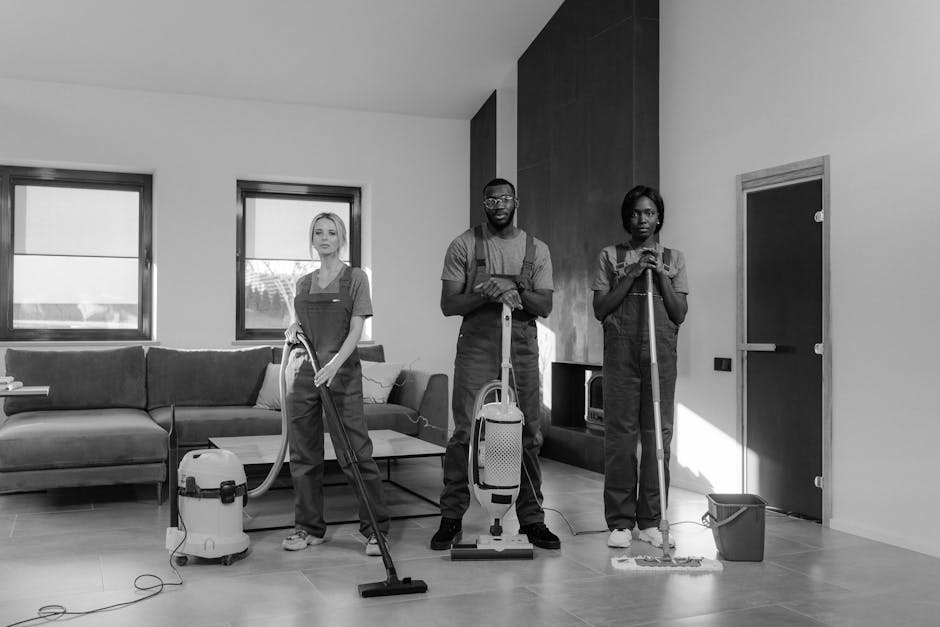
End of tenancy cleaning East Dulwich SE22 checklist
If you are moving out of a flat or house in SE22, the final clean can feel oddly bigger than the move itself. Boxes everywhere, one last look in the cupboard under the sink, and that little voice asking, have I missed anything? This End of tenancy cleaning East Dulwich SE22 checklist is built to help you hand the property back in a condition that looks cared for, tidy, and ready for inspection. It covers the practical details landlords, letting agents, and inventory clerks usually notice first, plus the small things that can save you from a frustrating re-clean. Let's face it, nobody wants to be wiping skirting boards at 9pm the night before checkout.
Use this guide as a room-by-room plan, a sanity check, and a sensible way to decide what you can handle yourself and what is better left to a specialist. If you want a broader service view while planning, you can also look at end of tenancy cleaning, and for more general upkeep between moves, deep cleaning and one-off cleaning are useful references.
Table of Contents
- Why the checklist matters
- How the cleaning process works
- Key benefits and practical advantages
- Who this is for and when it makes sense
- Step-by-step guidance
- Expert tips for better results
- Common mistakes to avoid
- Tools, resources and recommendations
- Law, compliance, standards, or best practice
- Options, methods, or comparison table
- Case study or real-world example
- Practical checklist
- Conclusion
- Frequently asked questions
Why End of tenancy cleaning East Dulwich SE22 checklist Matters
End of tenancy cleaning is not just about making a place look nice. It is about returning the property to a standard that matches the condition expected at check-in, allowing for fair wear and tear. That distinction matters. A little shading on the carpet from normal use is one thing; baked-on grease in the oven or dust thick enough to write your name in is another.
In East Dulwich, SE22 homes and rentals often see a mix of busy family life, shared houses, and long-term lets. That means the final clean can be more complicated than a quick tidy. Kitchens can hold stubborn cooking residue, bathrooms build up limescale fast, and carpets quietly collect months of traffic. A good checklist helps you work methodically instead of cleaning the same room twice because you forgot the top of a wardrobe or the inside of a microwave.
There is also a calm, practical reason to care: the checkout process is usually easier when the property presents well from the start. Even if the inspection is strict, a properly cleaned home makes a better first impression. And in a move, first impressions count for a lot.
Expert summary: A strong end-of-tenancy clean is less about perfection in every tiny corner and more about removing the visible signs of daily living: grease, dust, limescale, stains, marks, and odours. If those are dealt with properly, you are already most of the way there.
How End of tenancy cleaning East Dulwich SE22 checklist Works
The best way to tackle a move-out clean is to break the property into zones. Start with the highest-dust areas, then work down. Start with dry cleaning, then move to wet cleaning. That way you are not polishing a shelf only to dust onto it five minutes later. Simple, but it saves a lot of time.
A reliable end-of-tenancy routine normally follows this order:
- Remove all personal belongings and rubbish.
- Dust from top to bottom in each room.
- Clean visible marks on walls, doors, frames, and skirting boards.
- Deep clean kitchens and bathrooms.
- Vacuum and mop floors.
- Check appliances, fixtures, and fittings.
- Finish with windows, mirrors, and final touch-ups.
For many tenants, the biggest question is whether to clean everything themselves or bring in professional help for the harder jobs. There is no one-size-fits-all answer. If the property has a heavily used oven, tired carpets, or upholstery with obvious staining, specialist support can make a measurable difference. For example, pairing the main clean with oven cleaning or carpet cleaning often saves time and reduces the risk of missing the areas that usually get checked most closely.
Another useful thing to remember: an end-of-tenancy clean is not the same as a regular domestic clean. It is more detailed, more final, and more inspection-focused. You are not maintaining the property; you are handing it over.
Key Benefits and Practical Advantages
A good checklist gives you more than a cleaner property. It gives you structure when everything else is a bit chaotic. That alone is worth something during a move.
- Less stress: you know what is left to do and what has already been completed.
- Fewer missed spots: details like behind radiators, inside cupboards, and around taps are easier to remember.
- Better inspection readiness: the property looks finished, not half-done.
- Improved hygiene: kitchen and bathroom areas are left properly sanitised, not just surface-wiped.
- More efficient use of time: you can decide whether to DIY the easy parts and outsource the stubborn ones.
It also helps with realistic budgeting. If you know the oven is in bad shape, or the sofa has picked up a few mystery marks, you can plan ahead rather than scrambling at the end. The same logic applies if carpets need more than a vacuum. In that situation, a carpets cleaner service or a more targeted rug cleaning treatment can be a smart call.
And yes, a better clean can protect your relationship with your landlord or agent. That does not mean every dispute disappears. But it does mean you are on firmer ground if anyone questions the return condition.
Who This Is For and When It Makes Sense
This checklist is useful for tenants at the end of a tenancy, of course, but it also helps landlords, managing agents, and even people preparing a property for re-let after a long vacancy. In some cases, it is equally helpful for homeowners who have finished a renovation and want the place reset properly. A property can look tidy and still be nowhere near clean enough for handover.
It makes particular sense if:
- you are leaving a rented flat, house, or shared property in SE22;
- you have pets, smokers, or heavy kitchen use to account for;
- the property has carpets, blinds, or upholstered furniture that hold dust and odours;
- you need a swift, inspection-ready result before keys are returned;
- you are trying to decide whether a specialist cleaner is worth it.
If the move has left you with more than one problem to solve, that is normal. Some people also need help with a broader reset, not just the tenancy clean. In those cases, domestic cleaning or house cleaning can be useful services to compare, especially if the property needs more than one visit.
Truth be told, if you are juggling removals, keys, paperwork, and a tired takeaway box on the floor, outsourcing the hardest parts can be the difference between a calm handover and a frantic one.
Step-by-Step Guidance
The most effective way to clean for the end of a tenancy is to move through the property in a clear order. Here is a practical approach that works well in real homes, not just on paper.
1. Clear the property completely
Take out furniture, bags, food, bin liners, toiletries, and anything tucked away in cupboards or loft spaces. A property cannot be properly cleaned if stuff is still in the way. It sounds obvious, but people leave a surprising amount behind. One lonely charger in a drawer becomes three. Then half a packet of pegs. Then a mystery key. You know how it goes.
2. Start high and work down
Dust light fittings, tops of cabinets, curtain poles, shelves, and picture rails first. Then clean walls where needed, followed by skirting boards and lower surfaces. This keeps dust from dropping onto areas you have already finished.
3. Deal with the kitchen carefully
The kitchen usually takes the most time. Clean inside and outside of cupboards, wipe splashback areas, degrease hob surfaces, and clean the sink and taps. Pay attention to extractor fans, handles, and the area behind appliances if accessible. If the oven is greasy or burnt-on, it is often worth booking oven cleaner support rather than attacking it with a sponge and optimism.
4. Deep clean the bathroom
Remove limescale from taps, shower screens, tiles, and plugholes. Clean toilet bases, cisterns, mirrors, sinks, and sealant lines. Bathrooms can look clean at a glance but still fail an inspection if limescale is left around fittings. A shower door with cloudy streaks is one of those tiny details that catches the eye right away.
5. Refresh floors and soft furnishings
Vacuum all carpets, edges, and under movable furniture. Mop hard floors with the right product for the surface. If there are stains or heavy traffic patterns, consider hard floor cleaning for tiled or sealed surfaces, or upholstery and sofa care if the property includes furnished items. For fabric seating, sofa cleaning and upholstery cleaning can be especially helpful in furnished lets.
6. Finish with windows, mirrors, and final detail checks
Clean internal glass, mirror surfaces, and visible fingerprints on doors and switches. Then do a final slow walk-through. Look at the room as if you were handing the keys to someone else. Is there dust on the edge of the radiator? Smudges on the fridge handle? A bit of fluff in the corner by the bed? That last pass is where a lot of the value sits.
Expert Tips for Better Results
Small details matter more than people think. A room can look 90% done and still feel unfinished because of a few overlooked touches. Here are the bits that usually make the biggest difference.
- Use the right cloth for the job. Microfibre cloths are excellent for dust and glass; a rougher cloth can leave marks on delicate surfaces.
- Let products dwell briefly. Degreasers and bathroom descalers usually work better if given a moment before wiping.
- Open windows while cleaning. Fresh air helps with strong smells and makes the space feel less closed-in.
- Check the places people forget. Behind bins, inside toaster trays, around taps, under sink pipes, and on top of door frames.
- Work in daylight if you can. Morning or early afternoon light reveals dust and streaks you might miss in the evening.
One slightly old-fashioned but reliable tip: clean one room fully before moving to the next. Jumping around tends to create mess and fatigue. Also, your brain starts filing away half-finished jobs in a way that is, frankly, unhelpful.
If the property has a lot of windows or a garden-facing rear room, streak-free glass can be a surprisingly noticeable finishing touch. In that case, window cleaning is worth considering, especially for patio doors or tall sash windows that show dust quickly.
Common Mistakes to Avoid
Most end-of-tenancy problems come from a few very ordinary mistakes. Nothing dramatic. Just rushed decisions, tired hands, and a bit of underestimating.
- Leaving the oven until last: it is usually the most stubborn job and takes longer than people expect.
- Cleaning around clutter: the result looks clean only in the visible areas, which is rarely enough.
- Ignoring appliances: fridges, freezers, dishwashers, washing machines, and extractor hoods often need more than a quick wipe.
- Using the wrong product: harsh chemicals can damage surfaces, especially natural stone, wood, or delicate finishes.
- Forgetting internal windows and ledges: these are tiny things, but they stand out in an inspection.
- Assuming vacuuming is enough for carpets: not always. Staining, odour, or heavy use may need a deeper treatment.
Another common miss is failing to document the cleaned condition before leaving. A simple photo set can be useful if there is any later disagreement. It is a calm, boring bit of admin. Still worth doing.
Tools, Resources and Recommendations
You do not need a van full of equipment to do a good tenancy clean, but the right basics make the work much easier.
| Tool or product | Best use | Why it helps |
|---|---|---|
| Microfibre cloths | Dusting, glass, polished surfaces | They lift dust well and reduce streaking |
| Vacuum cleaner with attachments | Carpets, corners, skirting edges, upholstery | Helps reach awkward spots and fabric fibres |
| Mop and bucket | Hard floors | Useful for sealed floors and tile finishes |
| Degreaser | Kitchen surfaces, extractor areas, hob splash zones | Breaks down cooking residue faster |
| Bathroom descaler | Taps, shower screens, tiles | Helps remove limescale and water marks |
| Scraper or non-abrasive pad | Stubborn residue on durable surfaces | Useful if used carefully, but test first |
For properties with heavier use or multiple soft-furnishing items, it can be useful to combine the main clean with specialist support. A cleaning company that offers targeted services can help you avoid hiring separate providers for every room. If your move also involves old furniture or a cluttered property clearance, house clearance may also be part of the overall plan.
And if you want to check service presentation, policies, or practical details before booking, the pages on pricing and quotes, terms and conditions, and insurance and safety are worth a look.
Law, Compliance, Standards, or Best Practice
In the UK, end-of-tenancy cleaning usually sits within the tenancy agreement, inventory condition, and the general principle of returning the property in a similar state of cleanliness, allowing for fair wear and tear. The exact obligations depend on the tenancy terms, so it is always wise to read the agreement carefully rather than guess. That part can be a bit tedious, yes, but it matters.
Best practice normally means:
- leaving the property hygienic and presentable;
- cleaning fixtures, fittings, and appliances thoroughly;
- treating stains and marks where reasonably possible;
- returning keys and access items as agreed;
- keeping receipts or photos if you have hired a professional cleaner.
If you are using a cleaning provider, it is sensible to check that the business is clear about safety, insurance, and service expectations. That is not being fussy. It is just smart. A proper professional setup should make you feel reassured, not vague. For example, service information such as health and safety policy, payment and security, and recycling and sustainability can help show how the company operates.
In practice, the safest approach is to align your clean with the inventory report and the check-in photos if you have them. That gives you a realistic target instead of a moving one.
Options, Methods, or Comparison Table
Most tenants choose one of three approaches: do everything themselves, hire help for the toughest rooms only, or book a full end-of-tenancy clean. Each route has its place.
| Method | Best for | Pros | Trade-offs |
|---|---|---|---|
| DIY clean | Light-use properties and organised movers | Lower cost, full control | Time-consuming, easy to miss details |
| Hybrid approach | Properties with a few tough areas | Balances effort and budget | Requires planning and coordination |
| Full professional clean | Busy moves, furnished lets, strict inspections | Fast, detailed, less stressful | Higher upfront cost |
There is no universally correct choice. If you have a spotless one-bed flat and the oven was barely used, DIY may be enough. If you have pets, carpets, and a kitchen that has seen a proper winter or two, a hybrid or full service tends to be the calmer choice. In other words, match the clean to the state of the property, not to wishful thinking.
Case Study or Real-World Example
A typical SE22 move-out scenario goes like this. A tenant in a two-bedroom flat has packed most things by Friday evening. The rooms are mostly empty, but the kitchen still has grease on the hob, the bathroom has limescale around the tap, and the lounge carpet has a couple of dark marks near the sofa. They start cleaning on Saturday morning with good intentions and one cup of tea too many.
After an hour, the kitchen is looking better, but the oven is still stubborn. The bathroom takes longer than expected because the shower screen needs multiple passes. By the time they reach the carpet, the vacuum has done what a vacuum can do, which is not enough. They decide to bring in help for the oven and carpet, then finish the rest themselves. That decision turns the whole handover from rushed to manageable.
The useful lesson? Not every job needs the same level of effort. Sometimes the best clean is the one that focuses your energy where it matters most. A little judgement goes a long way. More than a little, actually.
Practical Checklist
Use this checklist as your final walk-through before handing back the keys. It is designed to be practical, not fussy.
General areas
- All belongings removed from rooms, cupboards, lofts, and storage areas
- Rubbish taken out and bins emptied
- Dust removed from shelves, skirting boards, and ledges
- Marks wiped from doors, handles, switches, and frames
- Light fittings cleaned where accessible
Kitchen
- Cupboards cleaned inside and out
- Worktops, splashbacks, and sink cleaned
- Hob, extractor area, and cooker hood degreased
- Oven cleaned thoroughly, including racks and trays
- Fridge and freezer defrosted, emptied, and cleaned
- Dishwasher, washing machine, and other appliances wiped down
Bathroom
- Toilet cleaned inside, outside, and around the base
- Sink, taps, shower, bath, and screen descaled and wiped
- Mirrors polished
- Tiles, grout, and sealant checked for visible dirt
- Plugholes cleared of hair and residue
Living areas and bedrooms
- Carpets vacuumed and stains treated where possible
- Rugs cleaned and flattened
- Upholstered furniture vacuumed and spot-cleaned
- Wardrobes, drawers, and shelves cleaned inside
- Windowsills, blinds, and internal glass cleaned
Floors and final checks
- Hard floors swept and mopped
- Edges and corners checked for dust build-up
- Final smell check completed; no lingering food or damp odours
- Photos taken after cleaning
- Keys, fobs, and access items ready for return
If you are ticking boxes and still feel unsure about a couple of items, that is normal. It is usually the oven, carpets, and bathroom scale marks that cause the most anxiety, so do not be hard on yourself. Just be systematic.
Conclusion
A well-planned End of tenancy cleaning East Dulwich SE22 checklist gives you order at exactly the point where moving life likes to get messy. It helps you clean with purpose, avoid oversights, and decide where your effort is best spent. A good result is rarely about doing everything twice. It is about doing the right things properly the first time.
Whether you are leaving a compact SE22 flat or a larger family home, the key is to stay calm, work room by room, and focus on the details that matter most in an inspection. If you can hand the place over looking fresh, cared for, and properly finished, that is a very good feeling. A proper breath-out moment, really.
Get a free quote today and see how much you can save.
And if all you manage today is one spotless room and a plan for tomorrow, that is still progress. Sometimes that is exactly how a good move ends.
Frequently Asked Questions
What should be included in an end of tenancy clean in East Dulwich SE22?
It should cover the full property, including kitchens, bathrooms, floors, skirting boards, internal windows, appliances, cupboards, and any visible marks or stains. The goal is to return the property in a clean, inspection-ready condition.
Do I need professional help for end of tenancy cleaning?
Not always. If the property is lightly used and you have time, you may be able to do it yourself. Professional help makes more sense when there are stubborn stains, heavy traffic carpets, a greasy oven, or a tight handover deadline.
How clean does the oven need to be?
The oven should be thoroughly cleaned, including the racks, trays, glass, and surrounding areas. If there is burnt-on residue or heavy grease, that is one of the most common places for an inspection issue.
Will vacuuming the carpets be enough?
Sometimes, but not always. Vacuuming helps with dust and loose debris, yet stains, wear patterns, and trapped odours may need deeper treatment. That is where carpet cleaning can be useful.
Should I clean walls before I move out?
Yes, where there are visible marks, scuffs, or light dirt. You do not usually need to repaint unless the tenancy agreement says otherwise, but wiping down marked areas is a sensible step.
What if I leave something slightly dirty by mistake?
If it is minor, it may not matter. But if it is in a key inspection area such as the bathroom, oven, or kitchen surfaces, it could be flagged. A final slow walkthrough usually catches most misses.
How long does end of tenancy cleaning usually take?
That depends on property size, condition, and whether appliances or soft furnishings need extra attention. A small flat may take a few hours; a larger or heavily used home can take much longer.
Is end of tenancy cleaning different from a regular deep clean?
Yes. A deep clean improves overall cleanliness, while an end-of-tenancy clean is specifically about handover condition. It is usually more detailed, more targeted, and more focused on the areas that are checked during checkout.
Should I take photos after cleaning?
Yes, that is a sensible habit. Photos can help if there is later disagreement about the property's condition. Keep them simple and clear: wide shots and a few close-ups of key rooms.
Can I book just the difficult rooms instead of a full clean?
Absolutely. Many people choose a hybrid approach, handling the easy parts themselves and getting help with the toughest areas like the oven, carpets, or bathroom limescale. It is a practical middle ground.
What is the best order to clean before checkout?
Clear the property first, then work top to bottom and dry to wet. Start with dusting, move to the kitchen and bathroom, then finish with floors, glass, and detail checks. That order keeps the job efficient.
How do I know if my tenancy agreement requires professional cleaning?
Read the tenancy agreement carefully and check the inventory or checkout expectations. Some agreements ask for a professional standard rather than a specific company, so the condition of the property matters more than the label on the service.