Upholstery cleaning near Dulwich Picture Gallery proven results: what really works and what to expect
If you are searching for Upholstery cleaning near Dulwich Picture Gallery proven results, you probably want two things at once: furniture that looks fresher again, and a service you can trust not to make matters worse. Fair enough. Sofas, armchairs, dining chairs and ottomans pick up everyday marks quietly, then one day the room just looks tired. Spilled tea, pet hair, sun fade, dust, the odd mystery stain from years back. It all adds up.
This guide walks you through how upholstery cleaning works near Dulwich Picture Gallery, why the right method matters, how to judge results properly, and what to ask before you book. You will also find a checklist, a comparison table, and practical advice for keeping fabric looking good for longer. Not glamorous, perhaps, but very useful.
For a broader look at the company behind the service, you can also review the about us page, the insurance and safety information, and the pricing and quotes page.
Key takeaway: good upholstery cleaning is not just about making fabric look cleaner for a day. Done properly, it should remove embedded soil, refresh colour, reduce odours, and protect the material type in front of you.
Table of Contents
- Why Upholstery cleaning near Dulwich Picture Gallery proven results Matters
- How Upholstery cleaning near Dulwich Picture Gallery proven results Works
- Key Benefits and Practical Advantages
- Who This Is For and When It Makes Sense
- Step-by-Step Guidance
- Expert Tips for Better Results
- Common Mistakes to Avoid
- Tools, Resources and Recommendations
- Law, Compliance, Standards, or Best Practice
- Options, Methods, or Comparison Table
- Case Study or Real-World Example
- Practical Checklist
- Conclusion
- Frequently Asked Questions
Why Upholstery cleaning near Dulwich Picture Gallery proven results Matters
Upholstery takes more daily wear than most people realise. You sit on it, lean on it, eat near it, nap on it, and occasionally let the dog claim it as territory. Around Dulwich Picture Gallery, homes and flats often mix classic furniture with modern family life, so fabrics can look dull long before they are actually worn out. That is where a focused clean helps.
Proven results matter because upholstery is not like a hard floor. You cannot just scrub it and hope for the best. Fabric, foam, stitching, dyes and backing materials all react differently. A good cleaner knows how to remove dirt without leaving rings, over-wetting the piece, or flattening the pile. In other words, results are not only about appearance. They are about restraint, judgement and the right process.
There is also a trust element. If you are paying for professional upholstery cleaning, you want more than a quick freshen-up. You want evidence in the fabric itself: lifted marks, less odour, a softer feel, and a room that simply looks more cared for. To be fair, that is what most people notice first when they walk back into the room. The air feels lighter. The furniture stops shouting for attention.
For households, this can extend the life of sofas and chairs that would otherwise be replaced early. For landlords or letting agents, it can improve presentation between tenancies. For offices, reception seating that looks clean gives a better first impression than a tired armchair ever will. Small detail, big effect.
How Upholstery cleaning near Dulwich Picture Gallery proven results Works
Professional upholstery cleaning usually starts with inspection. A technician looks at the fabric type, the level of soiling, any stains, loose threads, odours, and signs of previous DIY attempts. That first look matters. A cotton blend, a velvet finish and a synthetic office chair all need different handling. One-size-fits-all cleaning is where people get into trouble.
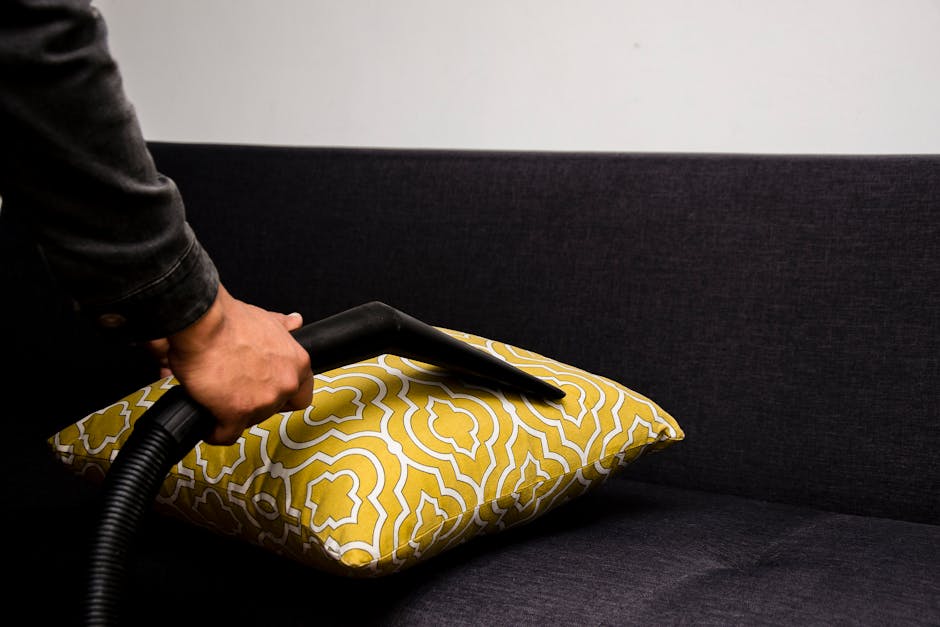
Next comes dry soil removal. This may involve vacuuming with suitable attachments and careful edge work around seams, buttons and cushions. Dry debris can act like grit, and if you skip this stage you end up rubbing dirt deeper into the fibres. Not ideal.
After that, the cleaner chooses the most appropriate method. Common approaches include low-moisture cleaning, hot water extraction for suitable fabrics, or targeted stain treatment. Some fabrics respond well to foam or specialised textile methods, while delicate materials may need a gentler process. The point is not just to clean aggressively. The point is to clean intelligently.
Spot treatment often happens before the main clean. That is where experienced judgement really shows. Tea, coffee, grease, makeup, pet marks, food residue and old spills each behave differently. The same chemical treatment on every stain is a shortcut, and shortcuts have a way of showing themselves later.
Once the clean has been completed, the fabric is usually checked again for any remaining marks or uneven drying. Good upholstery cleaning includes drying guidance too, because the last thing you want is a damp sofa sitting in a stuffy room on a rainy London afternoon. Bit of a headache that.
If you want a deeper clean across other parts of the home at the same time, you may also find the company's deep cleaning service, sofa cleaning, or rug cleaning pages useful for planning a full refresh.
Key Benefits and Practical Advantages
The strongest upholstery cleaning results are usually practical rather than dramatic. You may not notice a dramatic before-and-after in every case, but you will often notice a room that feels cleaner, brighter and less stale. That is the sort of improvement people remember.
- Improved appearance: fabric looks fresher, colours appear less muted, and visible marks are reduced.
- Odour reduction: everyday smells from food, pets and general use are lifted from the fibres.
- Better hygiene: dust, skin particles and trapped soil are removed from the upholstery surface and lower layers.
- Longer fabric life: regular professional care can reduce abrasive dirt build-up and premature wear.
- Better room presentation: useful for guests, tenants, clients, or simply your own peace of mind.
- Material-specific care: a proper clean protects the fabric type instead of guessing at it.
There is also the emotional benefit, which people often understate. A clean sofa or dining chair changes how a room feels. You sit down and do not get that slight sense of grime in the background. The place feels looked after. Which, let's face it, makes a home nicer to live in.
For busy households, professional upholstery cleaning can also save time. It is one thing to attempt stain removal yourself over a weekend; it is another to get the right result without guessing, waiting for drying, or accidentally making the stain larger. Been there, regretted that.
Who This Is For and When It Makes Sense
Upholstery cleaning near Dulwich Picture Gallery makes sense for a wide range of people, but the urgency varies.
Homeowners and renters: If your sofa has become visibly dull, has an odour, or shows repeated spill marks, a professional clean can make a noticeable difference. It is especially helpful before hosting guests or after a busy winter when windows have been shut and fabrics have held onto everyday smells.
Families with children: Crumbs, sticky patches and little hands are part of normal life. No judgement. The problem is that fabric hides residue until it starts to look patchy or tired.
Pet owners: Pet hair and pet odours are a different kind of challenge. A cleaner may need to combine extraction, deodorising and stain treatment, depending on the material.
Landlords and property managers: Upholstery in furnished lets often needs a reset between occupants. A clean piece of furniture can improve the feel of the whole property.
Offices and reception spaces: Shared seating can gather a lot of wear from regular footfall, coffee cups and hand contact. If you are considering a wider refresh, the office cleaning service or office cleaners page may be worth a look.
After renovations or redecorating: Dust travels. It gets everywhere. When a room has been refurbished, upholstery may need cleaning even if nobody has sat on it much.
A good rule of thumb? If the fabric looks tired despite regular vacuuming, it is probably time for a specialist clean.
Step-by-Step Guidance
Here is a sensible way to approach upholstery cleaning without overcomplicating it.
- Identify the fabric. Check care labels where possible. If the label is missing, a professional inspection becomes even more important.
- Vacuum thoroughly. Remove loose dust, hair and crumbs before any wet process starts.
- Test the treatment. Any stain or cleaning solution should be checked on a small hidden area first.
- Treat spots individually. Not every mark behaves the same, so do not assume one chemical works for all.
- Choose the cleaning method. Low-moisture, extraction or dry methods should match the fabric and condition.
- Work section by section. That helps control moisture and gives a more even result.
- Extract and inspect. Remove as much residue as possible and check for remaining marks.
- Dry properly. Airflow matters. Open windows if weather allows, or use ventilation to speed drying.
- Protect afterwards. Consider gentle maintenance, fabric protection where suitable, and regular vacuuming.
One thing people often overlook is the cushion core. A sofa can look fine on the outside while holding stale odours or moisture inside the cushions. If a service only tackles the visible surface, the result may look good for a few days and then fade fast. Proper cleaning deals with the whole seating area, not just the top layer.
And yes, if you have ever wondered why a clean seat can still feel a bit damp at the edge, that is often where moisture and airflow are fighting it out. Slightly annoying, very common.
Expert Tips for Better Results
Experienced cleaners tend to focus on a few basics that make a big difference. Nothing magical. Just disciplined work.
Vacuum first, always. If dry soil stays in place, you will turn it into muddy residue the moment moisture is introduced. Simple but crucial.
Do not chase every stain immediately with the harshest product. Stronger is not always better. Some dyes respond badly to aggressive treatment, especially on older fabrics.
Mind the stitching and trims. Decorative seams, piping and buttons can trap residue. They also dry more slowly. A careful hand helps here.
Control moisture. Over-wetting is one of the easiest ways to ruin a good result. It can leave rings, extended drying times or even a musty smell.
Ventilate the room. A gentle flow of air helps fabric dry evenly. Open a window, use fans if appropriate, and avoid sitting on the furniture too early.
Ask about fabric-specific experience. A service that knows how to handle sofas may not be right for every chair style or textile finish. That sounds obvious, but people skip it all the time.
Keep expectations realistic. Some stains are permanent or partly permanent, especially if they have been left for months. Proven results are about visible improvement, not magical time travel. Shame, really.
If you are comparing providers, trust signals matter. The health and safety policy, terms and conditions, and payment and security information are worth checking before you book.
Common Mistakes to Avoid
Most upholstery problems after cleaning come from a few repeat mistakes. You do not need to make them yourself.
- Scrubbing hard: This can fray fibres, spread stains and damage the nap of the fabric.
- Using too much water: Over-wetting can lead to long drying times and lingering smells.
- Trying random products: Household cleaners can react badly with upholstery dyes or finishes.
- Ignoring the care label: If the fabric requires special treatment, guessing is risky.
- Skipping pre-vacuuming: Dirt left behind can smear and dull the final result.
- Leaving cushions in place while damp: This can trap moisture and create uneven drying.
- Expecting every stain to vanish: Some stains improve greatly but do not disappear fully, especially on aged fabric.
One quiet mistake is not asking what happens after the clean. If the cleaner does not explain drying time, aftercare, or what to do if a mark reappears as the fabric dries, you are left guessing. A good service should give you that guidance without fuss.
Tools, Resources and Recommendations
You do not need a van full of equipment to understand what good upholstery care looks like, but a few tools and resources help:
- Vacuum with upholstery attachment: essential for dry maintenance between professional cleans.
- Soft brush: useful for loosening surface dust gently before vacuuming.
- Clean white cloths: helpful for blotting small spills without transferring colour.
- Fan or good ventilation: supports drying after a professional clean.
- Care label guidance: the first place to look when deciding whether a fabric needs specialist treatment.
For broader home maintenance, upholstery cleaning often works well alongside other services. A household that needs one-off support can consider the one-off cleaning service, while a full refresh might include domestic cleaning or even window cleaning if the space needs a brighter finish overall.
If you are cleaning after building work or a renovation, dust control becomes especially important. In that case, the after builders cleaning page may be useful as part of the wider plan.
Law, Compliance, Standards, or Best Practice
For upholstery cleaning, the most relevant point is not a complex legal rule set. It is good practice, safe handling, and clear communication. Reputable cleaners should be able to explain what they are doing, what products are being used, and any care instructions that follow. That matters for households, landlords and businesses alike.
In the UK, businesses are generally expected to work responsibly around health and safety, insurance, and consumer fairness. For a customer, that means a few sensible checks: is the provider insured, do they explain their method, do they handle materials carefully, and do they set expectations honestly? If the answer is yes, you are in a much better place.
It is also wise to look at transparency around complaints handling and privacy. If you want reassurance on those practical matters, the company's complaints procedure, privacy policy, and recycling and sustainability information can help show how the business operates day to day.
Best practice also means honesty about limits. A trustworthy cleaner will not promise the impossible. They will say when a stain is likely to improve, when it may only lighten, and when a fabric is too delicate for a particular method. That kind of honesty is a sign of competence, not weakness.
Options, Methods, or Comparison Table
Different upholstery types need different approaches. This table gives a simple, practical comparison.
| Method | Best for | Strengths | Limitations |
|---|---|---|---|
| Low-moisture cleaning | General fabric refresh, lighter soiling | Fast drying, controlled application | May not suit deeply embedded stains |
| Hot water extraction | Durable fabrics and heavier soil | Strong soil removal, good for odours | Not suitable for every textile |
| Dry or very low-moisture methods | Delicate upholstery, sensitive materials | Reduced drying time, lower risk of water marking | May require more careful stain treatment |
| Spot treatment only | Minor marks in otherwise clean furniture | Quick, targeted, less disruptive | Not enough for overall dullness or odour |
If you are unsure which route is right, ask the cleaner to explain why they chose it. A real professional can usually explain that in plain English. If they can not, well, that tells you something too.
Case Study or Real-World Example
Picture a family sitting room near Dulwich Picture Gallery on a grey Saturday morning. The sofa is comfortable, solid, and not especially old, but the arms are shiny from use, the seat cushions have a few food marks, and there is a faint smell that never quite goes away, especially after the heating has been on. Classic lived-in furniture.
A professional upholstery clean begins with inspection and vacuuming. The cleaner spots that the fabric is a sturdy synthetic blend, but there is one older stain on a seat cushion that has already been treated at home. Rather than go straight in with a stronger product, they test a small hidden area first. That is where experience matters. The fabric reacts well, so the cleaner proceeds carefully across the seating areas, treating the arms separately and managing moisture so the cushions dry evenly.
By the end, the sofa does not look brand new. That would be unrealistic. But it looks clean in a way it has not for quite a while. The arms are less shiny, the cushion marks are reduced, and the room smells fresher. When the family sits down that evening, the difference is obvious. No drama. Just a better room.
That is what proven results usually look like in real life: a meaningful improvement you can see, feel and smell, without overpromising the moon.
Practical Checklist
Use this checklist before and after your upholstery clean.
- Check the fabric care label if available.
- Identify stains, odours and wear areas before booking.
- Ask what cleaning method is being used and why.
- Confirm the cleaner has relevant insurance and clear terms.
- Move breakables and small items away from the cleaning area.
- Vacuum the upholstery before the appointment if you can.
- Allow enough drying time before using the furniture again.
- Keep pets and children off the furniture until it is fully dry.
- Blot spills quickly in future rather than rubbing them.
- Book regular maintenance instead of waiting for the sofa to look exhausted.
Quick reminder: if a cleaner gives you a very confident promise on a fragile or heavily stained piece, be a little cautious. Real expertise usually sounds measured, not flashy.
Get a free quote today and see how much you can save.
Conclusion
Finding upholstery cleaning near Dulwich Picture Gallery with proven results is really about choosing careful workmanship over big claims. The best outcome is clean, refreshed furniture that still feels like itself, just much better looked after. That takes inspection, the right method, sensible drying and an honest view of what is achievable.
If you want furniture to look lighter, smell fresher and last longer, upholstery cleaning is one of those services that quietly pays for itself in comfort and presentation. And when it is done properly, you notice it every time you sit down. Which, frankly, is a lovely little win in the middle of a busy week.
Frequently Asked Questions
How do I know if my upholstery needs professional cleaning?
If the fabric looks dull, smells stale, holds onto marks after vacuuming, or has a few stubborn spills that keep catching your eye, it is probably time. A professional clean is especially useful when regular home care no longer makes much difference.
Will upholstery cleaning remove all stains?
Not always. Some stains come out fully, some lighten a lot, and some are permanent once they have settled into the fibres. A trustworthy cleaner should explain that clearly before starting.
How long does upholstery take to dry?
Drying time depends on the fabric, the method used, room ventilation and how much moisture was needed. Some pieces dry fairly quickly, while thicker cushions or cooler rooms take longer. Good airflow helps a lot.
Is upholstery cleaning safe for delicate fabrics?
It can be, provided the correct method is chosen. Delicate fabrics may need low-moisture or specialist treatment rather than heavy extraction. Always ask for a fabric-specific approach.
Can upholstery cleaning help with pet odours?
Yes, often it can improve them significantly. The results depend on how deep the smell has penetrated and whether the cushion filling has also absorbed odours.
What is the difference between sofa cleaning and upholstery cleaning?
Upholstery cleaning is the broader term and covers sofas, armchairs, dining chairs, ottomans and similar fabric-covered furniture. Sofa cleaning is just one part of that wider service.
Should I vacuum before the cleaner arrives?
If you can, yes. Removing loose dust, hair and crumbs helps the cleaning process and avoids turning dry soil into a muddy film during treatment.
How often should upholstered furniture be cleaned?
That depends on use. A busy family sofa may need professional attention more often than a spare room chair. In general, regular maintenance and prompt spill treatment make a big difference.
Can I use supermarket stain removers on upholstery?
Sometimes people do, but it is risky without knowing the fabric type and colour stability. Random products can cause rings, faded patches or sticky residue that is harder to remove later.
Why do some stains reappear after cleaning?
This can happen when residue remains in the cushion or backing and rises as the fabric dries. It is one reason proper extraction and drying guidance matter so much.
Is upholstery cleaning worth it for older furniture?
Often, yes. Older furniture can benefit a lot from careful cleaning, especially if the frame and cushioning are still sound. Even when a stain does not vanish completely, the overall look can improve enough to extend the furniture's useful life.
What should I ask before booking a cleaner?
Ask about the cleaning method, fabric suitability, drying time, insurance, and how they handle stains that do not fully lift. Honest answers are a good sign, and usually save a lot of awkwardness later.